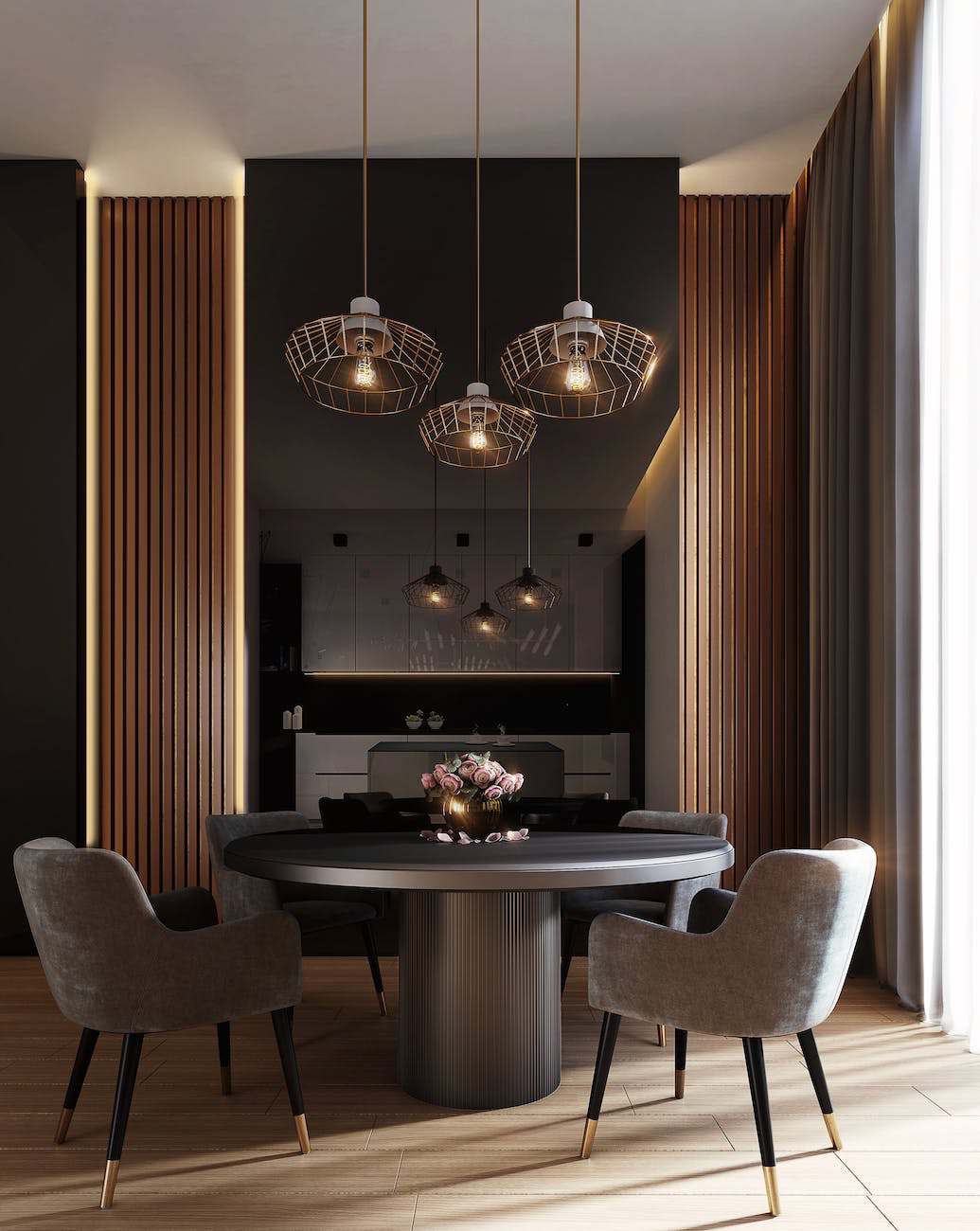
As the economy goes down the pan, this could be the most difficult time to sell your home in the UK. If you want to sell your home at an optimal price, and quickly, then here is a little tip for you – staging your home. This neat little trick has been used by new-build housing giants like Baratt homes and David Wilson for many years now, they even manage to sell pre-build homes by touring potential buyers around incredibly beautifully styled show homes. And it works – research states that home staging can secure you a sale price that is up to 10% higher, whilst also enabling you to sell your home 3 times faster.
So what is ‘Staging’? Wikipedia states:
Home staging is the preparation of a private residence for sale in the real estate marketplace. The goal of staging is to make a home appealing to the highest number of potential buyers, thereby selling a property more swiftly and for more money.
Wikipedia
So, a staged home will be attractive to a wider audience than just people like you, meaning you’ll have more potential buyers and more competition between those buyers.. feels like a no-brainer, right? Well it does require a little more effort, and a little more spend, but the good news is it can be done inexpensively (provided your house has been maintained well). You can hire professionals to stage your home if you wish, or you can do it yourself – it depends on how much time you can dedicate to it, and your budget. DIY home staging isn’t difficult, and doesn’t have to break the bank. Furthermore, you will get a return on any money you invest in terms of the sale price, so it’s a worthwhile activity! If you are interested in doing it yourself, you can find my 9 tips for staging your home below!
- Highlights
- 1. Make a good first impression
- 2. Keep it clean and serene
- 3. Make it appealing to the majority
- 4. Make it relatable
- 5. Maximise space with ‘zoning’
- 6. Keep things looking fresh and new
- 7. Add life and light
- 8. Accessorise
- 9. Rent furniture
1. Make a good first impression


You want people to be impressed by your home by the very first instance, that means giving your home curb appeal. We want to wow our potential buyers from the minute they pull up to your home. But ‘how?!’ you say!
- Clear out your front garden: Remove any overgrown weeds from your front garden and ensure
- Give a tattered front door a face lift: If your door looks shabby or dated, you can easily (and inexpensively) give it a facelift with a coat of paint. To do this simply sand down your door and then paint over with a semi-gloss exterior paint of your choice. Again, it’s best to go for a colour with a wide range of appeal – think black, white or navy.
- Accessorize the outside: Investing in a beautiful floor mat and a pretty door number/knocker could go a long way in creating your first impression. Decorating windows with some flower boxes, or even just plants on in the room that can be seen from the outside, will work wonders!
- Clean up & declutter your porch / entrance hallway: If you don’t have a front garden, or you live in a flat, your porch and/or entrance hallway will be the ones making the first impression. Ensure it is clean and tidy – clear away any shoes, put umbrellas and keys away and get rid of overcrowded coat hooks.
- Add inviting scents: You want your home to smell nice from the minute your potential buyers enter the property – think plug in air fresheners or candles. Test them out first – you don’t want to end up with a sickly sweet, overpowering scent upon arrival. Another option is to have something that smells delicious upon entry.
2. Keep it clean and serene
This should go without saying but you want your house to be absolutely spotless when potential buyers come over. That means declutter your space ruthlessly – if you have no space for all your ‘stuff’, move some of it out to your car (or a family members home), if you can’t do that then invest in some pretty baskets and sideboards that you can cram things into. If you have a tired and rusty kettle or toaster just put them in a cupboard, clear clothes and, try to get rid of dust on sideboards, limescale marks on taps or toilets. Clean everything in your home, that includes your windows, and it includes the inside of your cupboards and fridge. Some potential buyers may end up opening wardrobes and cupboards if they think they’ll be coming with the house, so ensure they don’t meet any nasty surprises.
3. Make it appeal to a wide range of people


Taste is subjective, of course, and not everyone will like the same thing. But the more loud and filled with personality a place is, the more likely it will only appeal to those with the same taste as yours, minimising your potential pool of buyers dramatically. Staging advice is to depersonalise your space by avoiding extremely bright colours and avoiding having too many family photos dotted all over the place. Keep walls light and neutral toned – most estate agents worth their salt will recommend off-white walls but personally I think you can get away with grey, greige, sage green or a very light blue.
4. Make it relatable


The key to staging is that the potential buyers can picture themselves living there, so think about the things that people tend to do at home (eat, play, work, sleep) and try to give a dedicated space to each of those across the home. This is in order to activate your potential buyers imagination, and therefore their emotional response. Examples can include:
- A table set up for dinner with placemats, plates and forks
- An office space with a laptop and notepad on the desk
- A bath tray in the bathroom with a candle, book and jar of salts
- A fruit-bowl in the kitchen
- In the summer, an outdoor area with blankets, plates and an ice-bucket
5. Maximise space with zoning

We all have awkward rooms or spaces that we don’t know what to do with, usually they’re left with clutter that we couldn’t find another space for, but now that you’ve done your deep clean it should look markedly bare. You want to avoid these bare spaces by using ‘zoning’ – could this space instead be used for a reading nook, with an armchair and a side table, or as a WFH set up, or a play area? You want to maximise the space so that your home seems bigger and the potential seems endless. Again, you don’t want to introduce clutter to the space so keep things minimalistic.
6. Keep things looking fresh and new
Whilst it would be inconvenient to replace every single bit of worn furniture (particularly if you’ve been in your home for years, or decades!), there are some inexpensive ways to make furniture look newer through textiles. You should throw new sheets on the beds, cover stained/dated sofas with throws, add pillows to worn chairs and put a tablecloth over a marked and grubby table. If all else fails, hide it! This is particularly true for old and worn electronics or kitchen appliances – leave them at a friends house for a couple of weeks or put them in storage.
7. Add life and light


You want to illustrate a bright and airy environment, so ensure that rooms are well lit with plenty of plants and flowers dotted around. If your home is particularly dingy, then adding mirrors to reflect light into the room can go a long way in making a room feel brighter.
If it is winter, your your viewings are taking place in the evening, then ensure there are plenty of lamps and candles to provide soft lighting. You will not want the space to be dark, but LED spot lighting can be particularly harsh on the eye. For daytime viewings ensure that windows and french doors are not obstructed by half-shut curtains or badly placed furniture.
For plants and flowers, try to ensure every room has 1-2 plants in it, of varying sizes. You want to keep them in attractive pots and vases, with a clean area around them. Artificial plants are equally good (although if you’re going for flowers its worth investing in real ones), and you can find some very good fakes at Ikea.
8. Accessorize

So you have cleaned, decluttered and depersonalised to the max, and perhaps the house is looking a little sterile (although with the addition of plants it should be looking great). Now is the time to accessorise – tasteful art, throws and pillows add depth and interest to a space. Again, we want to keep the space feeling clean and tidy so we don’t want to go overboard, nor go wild with the colour scheme, although it is fine to introduce a pop of colour with these items to avoid your home looking sterile.
9. Rent furniture
You should not have to buy new bits of furniture (unless you are planning to buy it anyway for your new home), but there may be instances where you want to add a zone in your home or replace a particularly worn/dated piece of furniture. Your best bet in these instances is to rent furniture – which luckily is becoming increasingly popular with leading stores. John Lewis, for example, have a furniture collection for rent, along with homestaging.org.uk. For accessory and artwork rental you can find great pieces at Harth Space
Following the tips above could end up increasing your sale price by up to 10% – for a £250k home thats an extra £25k! Staging your home should be seen as an investment worth trying, with professional home staging companies charging between £1000 and £5000, typically but, depending on the current state of the home, it is likely to be cheaper doing it yourself.